


Eric Friedenwald-Fishman
creative director | founder
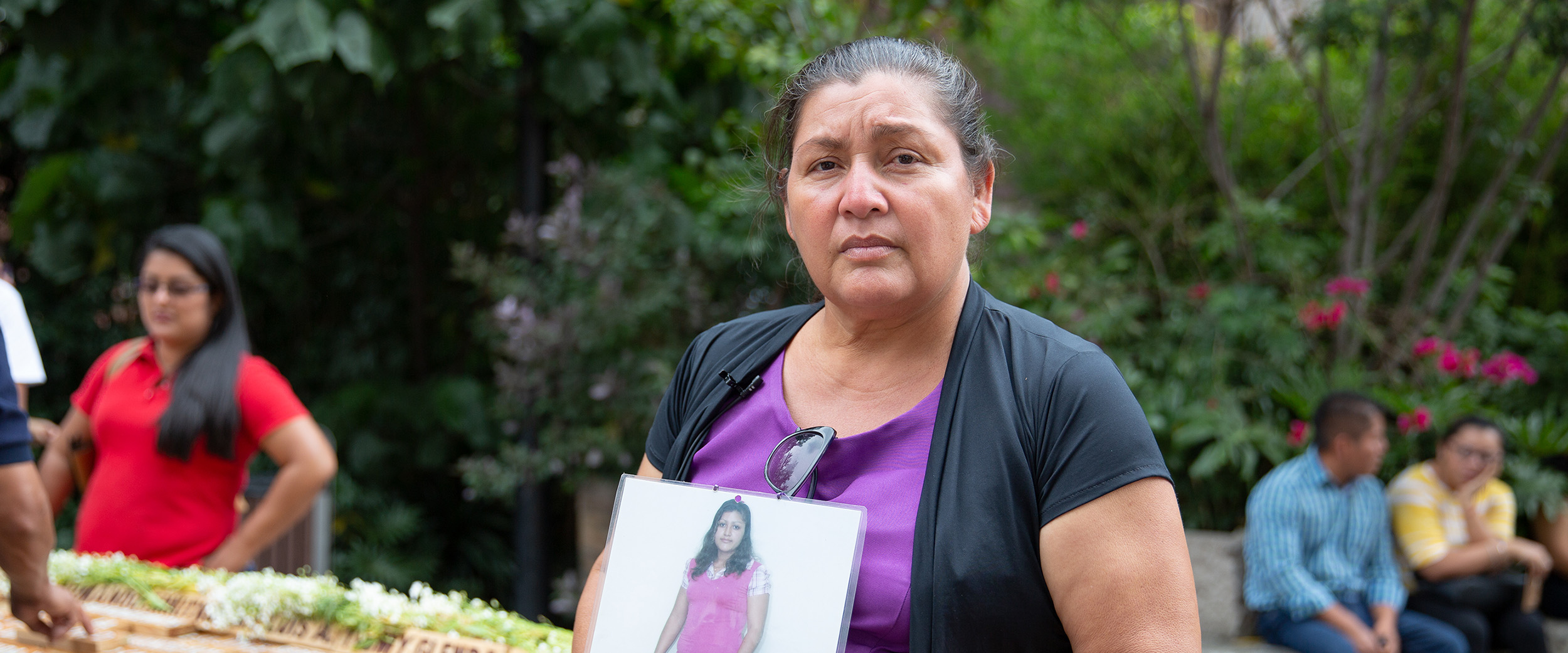

Narratives represent the aggregation of stories people experience over time. These stories can be passed down in oral tradition from one generation to another, repeated endlessly in our preferred news sources, and reflected in pop culture. But, stories are not always communicated literally. They can also be experienced figuratively through policies, systems, laws, and the built environment. The contemporary lived experience of systemic racism, for example, tells the historic and continuing story of inequity in every aspect of American life.
Story and narrative, therefore, are both tangible and intangible, spoken and unspoken.
For those seeking to change a status quo rife with inequity and injustice—and to advance a more just, healthy, and sustainable world—narrative can be among the most powerful tools.
But, narrative change is not just a communication challenge.
In fact, story and narratives that are advanced only through communication—without consideration for the social norms and the policies, systems, and practices that shape our environments and lived experience—are more likely exercises in “spin” than a reflection of real and substantive change.
At MG, we have been privileged to work alongside our clients and partners in employing narrative change to address inequities and disparities in public health, promote clean energy and environmental justice, advance the cause of freedom and democracy in the face of rising authoritarianism, and more.