Ideas & Resources
Sparking Discourse
The narratives we accept—and the narratives we reject—reveal something about ourselves, the world we experience, and the change we seek to create or the status quo we strive to protect.
-

senior executive vice president | principal
-

creative director | founder
Narrow Your Results:














Viewing strategic-communication
The narratives we accept—and the narratives we reject—reveal something about ourselves, the world we experience, and the change we seek to create or the status quo we strive to protect.
-
senior executive vice president | principal
-
creative director | founder

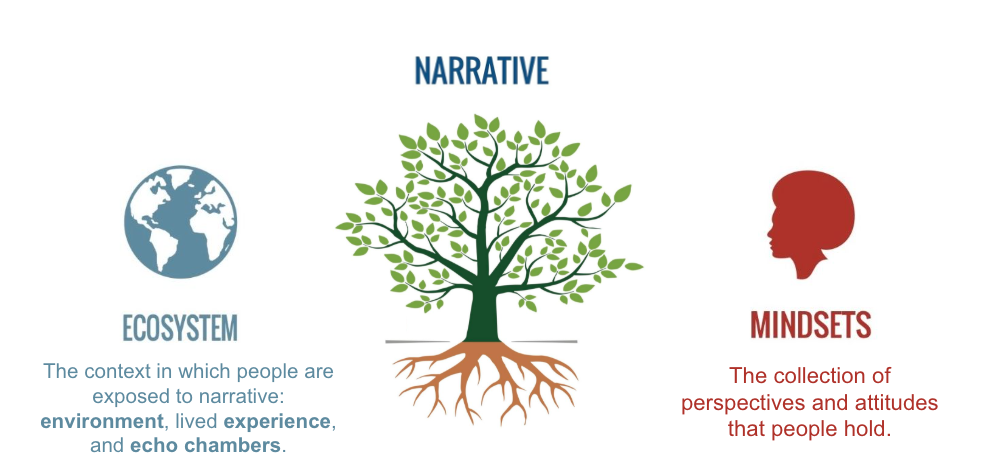
Since 2022, Metropolitan Group (MG) has been examining narratives that advance the principles of liberal democracy and those that seek to undermine it or to explicitly promote authoritarianism. Read more about our research-based development of new narratives to promote democracy here in the United States and around the world.
-
creative director | founder
-
senior executive vice president | principal
-

executive vice president

This final report presents the findings identified through five case studies of anti-corruption initiatives that utilized some SBC approaches or elements.
-

senior director

How Competing Stories Shape Policy and Public Opinion in Guatemala, Honduras, and El Salvador.
-

vice president
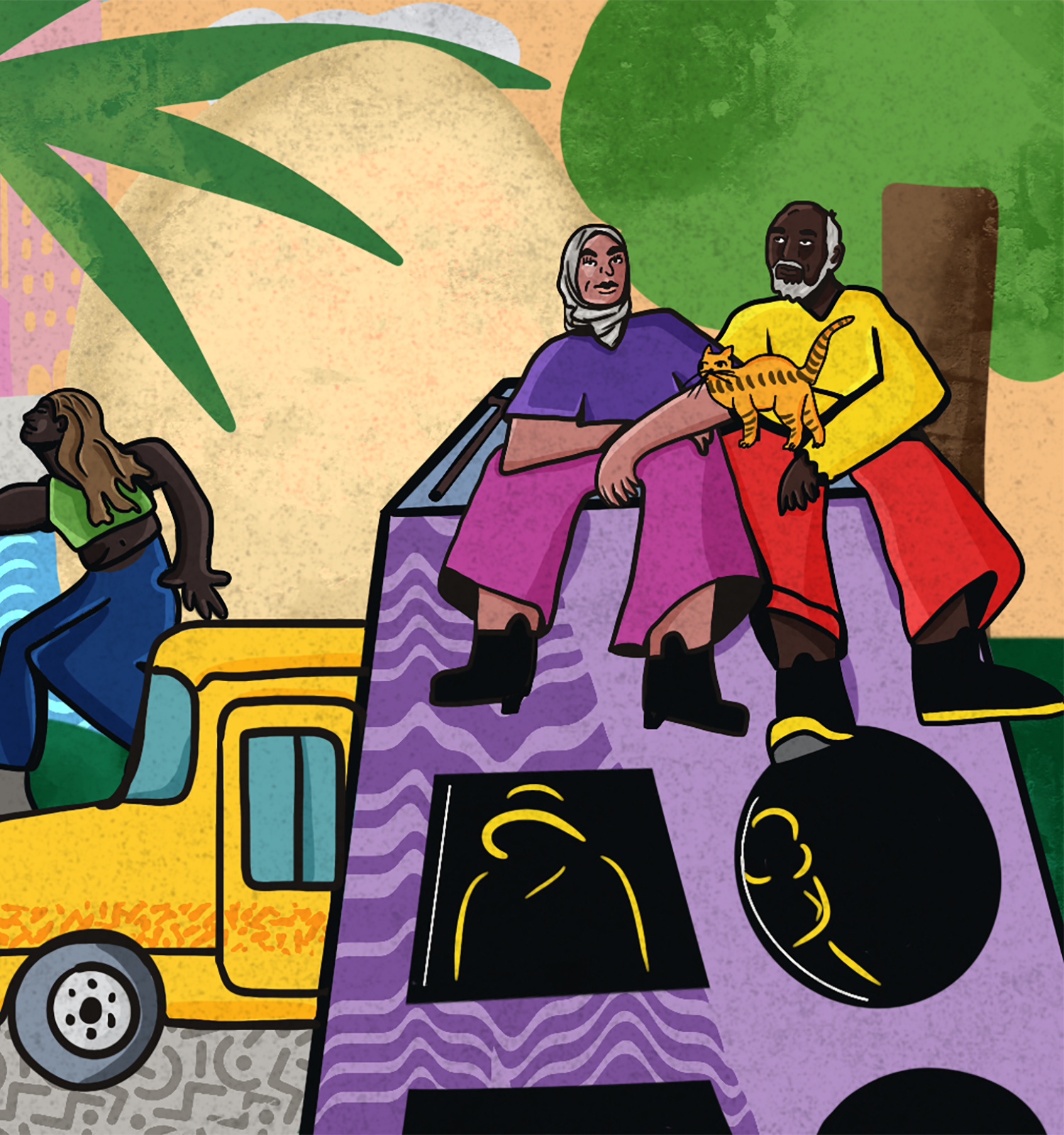
Broadening notions and practices of leadership beyond the dominant “individual hero” narrative.
-

executive vice president
-

-

senior executive vice president

Expanding how decision-makers think about progress in order to transform priorities and actions.
-
senior executive vice president
-

senior director
-

vice president and director at RAND
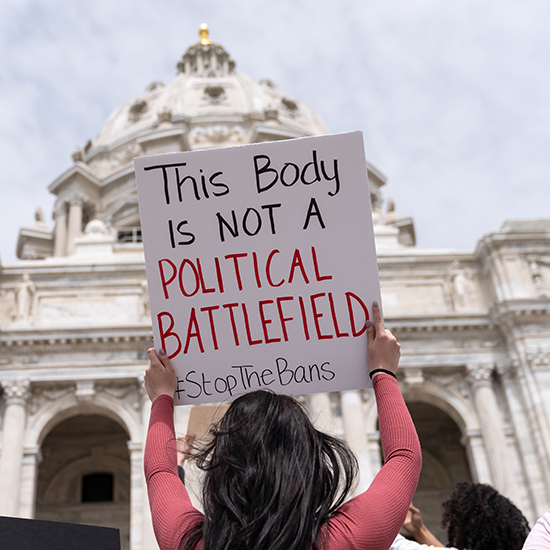
What to know and what you can do right now.

In seeking to transform the U.S. food system leaders, from all sectors with diverse food system perspectives, developed a policy agenda and call to action.
-
senior executive vice president | principal

Public funding for arts and creativity strengthens communities in every Congressional district in the country.
-
creative director | founder
-


Reimagining arts and culture, and what it can mean for society.
-

vice president
-
creative director | founder
-
senior executive vice president | principal
-

Supporting advocates to build racial equity into public health policy.
-
senior executive vice president

The dominant narrative about Native peoples is founded on generations of myths, stereotypes, romanticized tales and outright racism. But a coalition of Native-led organizations, Tribes and researchers decided that this had to change.
-

senior executive vice president | principal
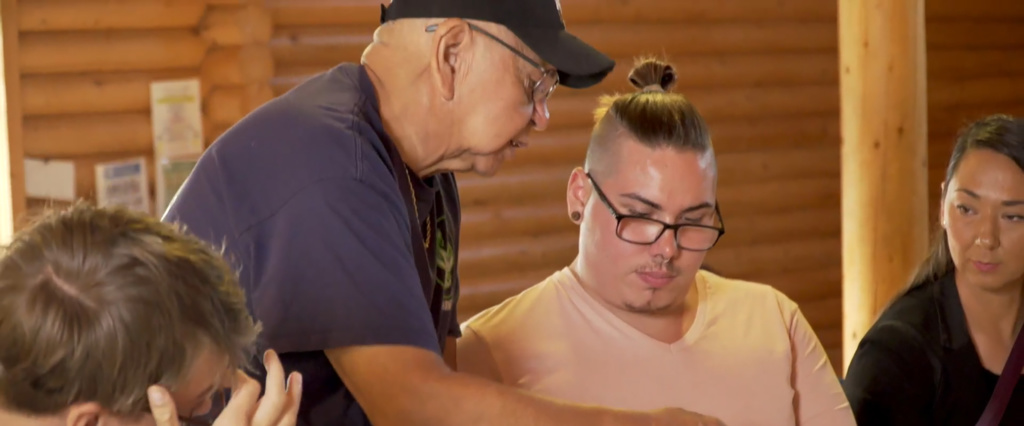
Published in Stanford Social Innovation Review, this article discusses how five realities, including systemic racism, have made the U.S. public health sector’s response to COVID-19 even more challenging.
-
senior executive vice president | principal

How policymakers, community leaders and members of the public talk about migration is intimately connected to the design and implementation of policies that affect not just newcomers, but the health of communities and countries as a whole.


U.S. innovators use global insights to shift the well-being narrative and surface opportunities ahead.
-
vice president and director at RAND
-

-
senior executive vice president
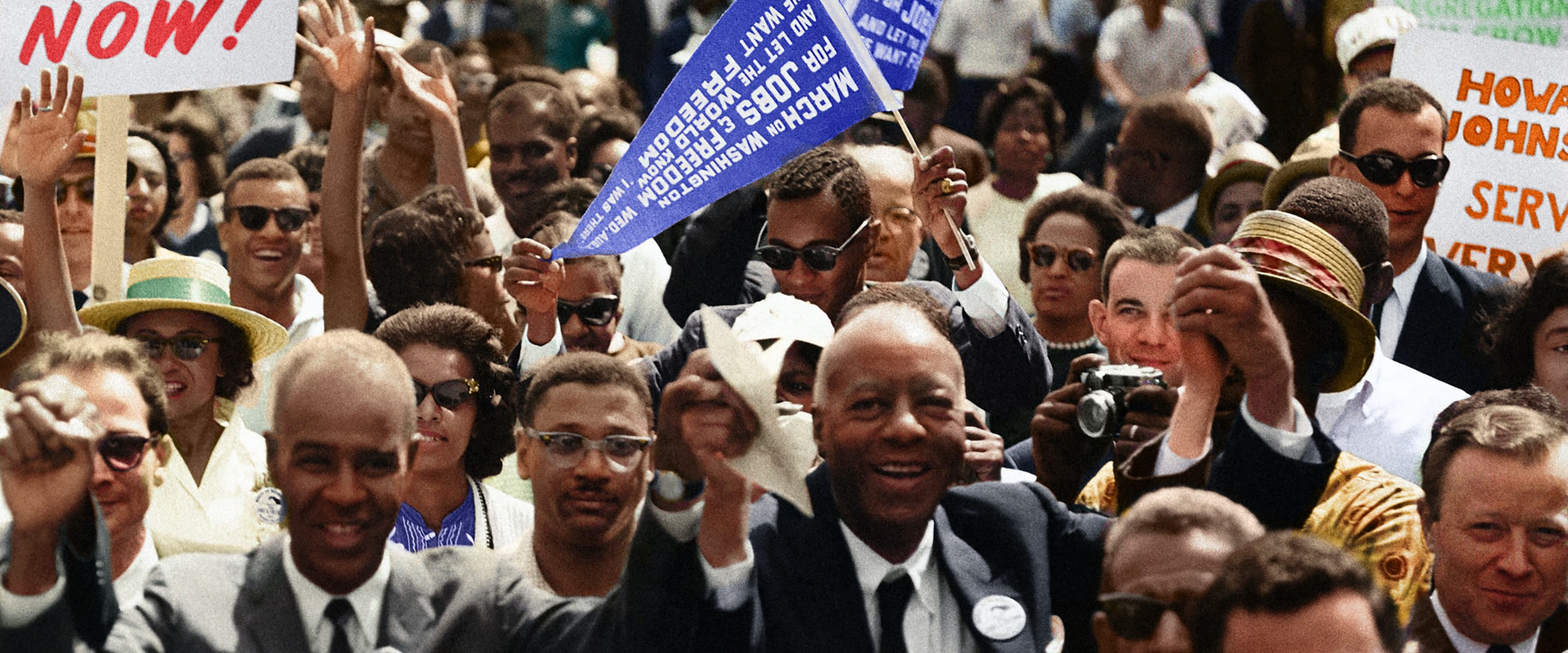

Vernice Miller-Travis, writes about how the current administration is committed to tackling racial inequity and environmental racism.
-

executive vice president

For change agents whose calling is the work of creating a just and sustainable world—the time is now.
-
creative director | founder

Translating equity into policy to protect communities from the adverse effects of large-scale developments.
-
executive vice president
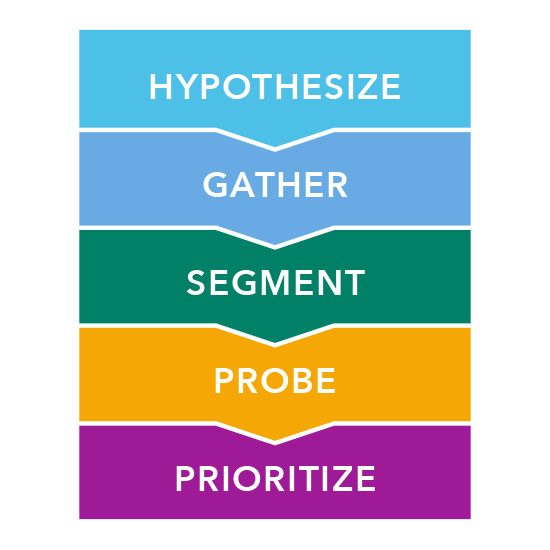
To be truly effective, no social change initiative can be all things to all people.
-
creative director | founder
-
senior executive vice president | principal
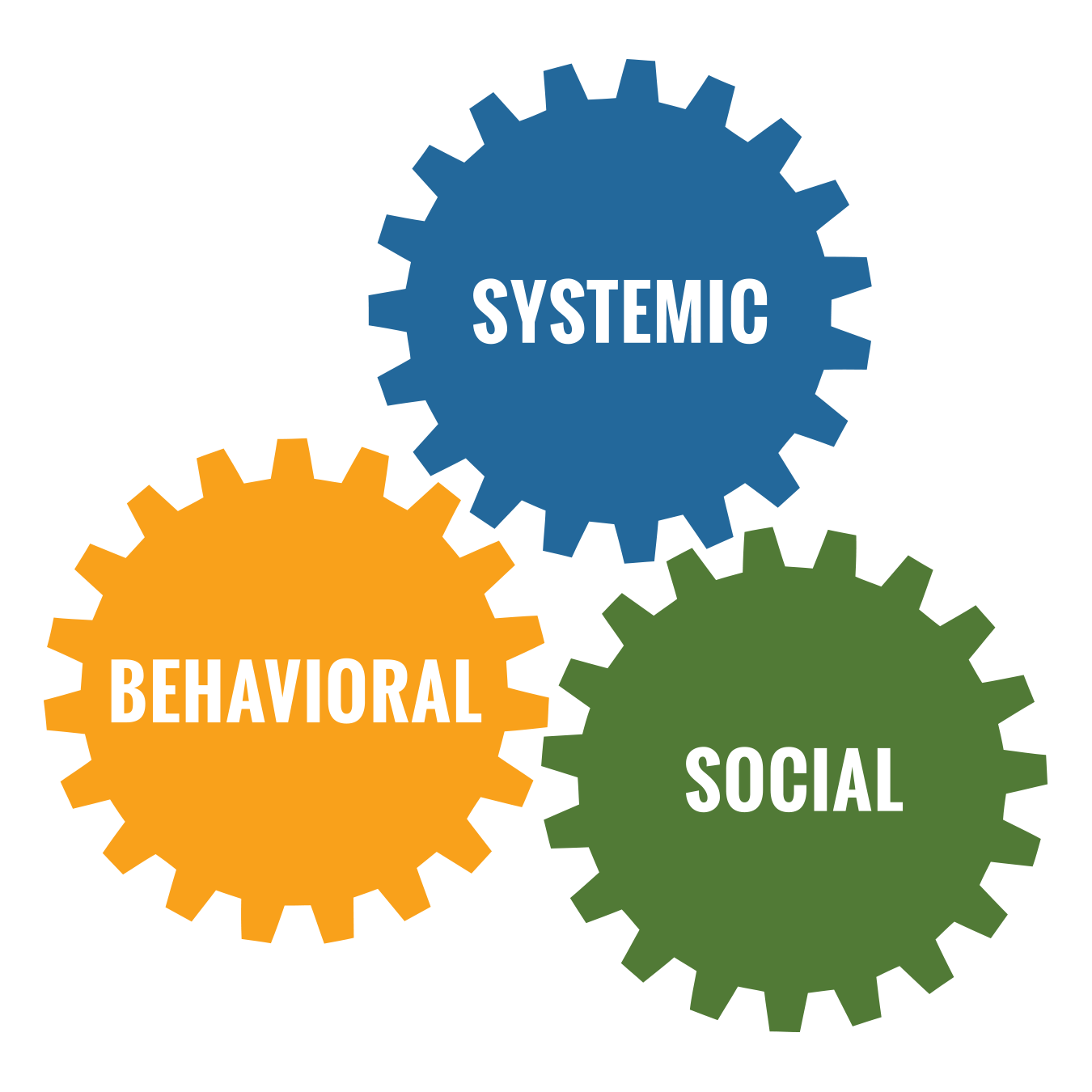
Public will building is a powerful strategy for social change grounded in communication theory. It recognizes the incredible power that people possess to manifest change.
-
creative director | founder
-
senior executive vice president | principal

-
-
senior executive vice president | principal
-
senior executive vice president | principal
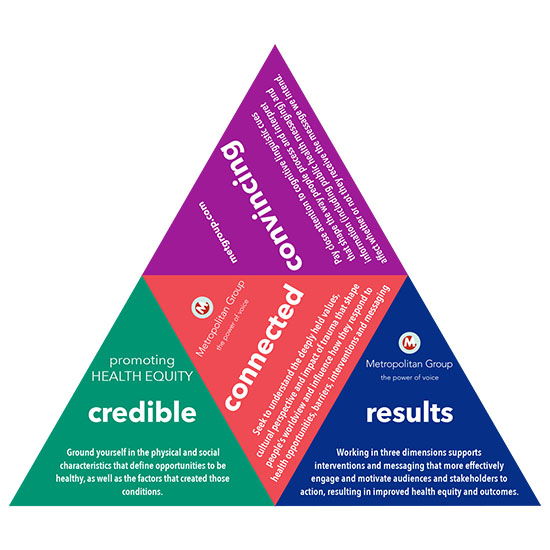
Health equity means that everyone—regardless of who they are, where they live or how much they earn—has what they need to reach their best health and well-being.
-
senior executive vice president
-
senior executive vice president | principal
-
creative director | founder
-
senior executive vice president | principal
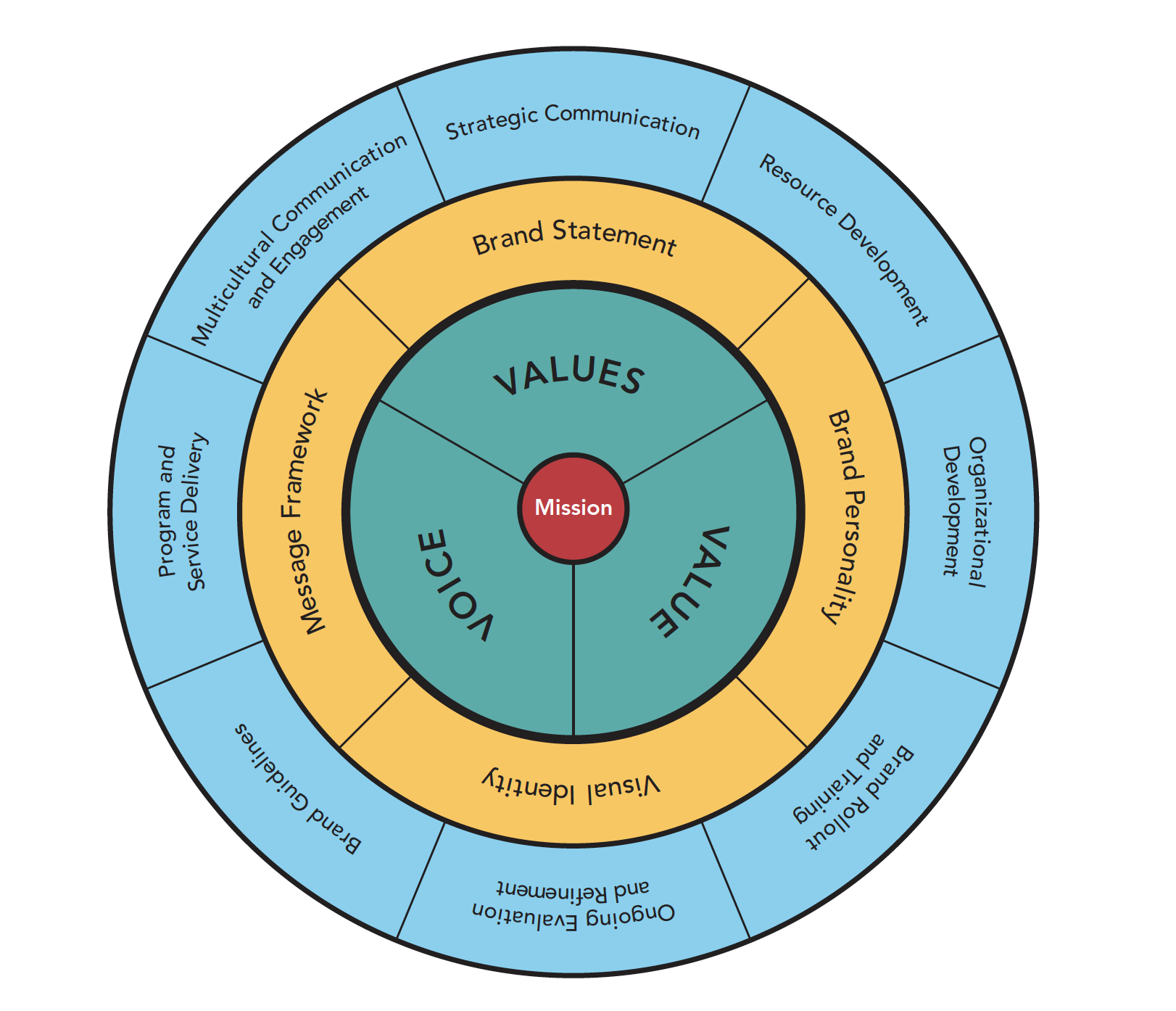
Branding is part of every aspect of the organization’s work and the experience of those it touches, which is why it is essential to take a more expansive view with regard to social purpose branding.
-
creative director | founder
-
senior executive vice president | principal